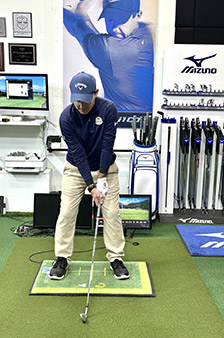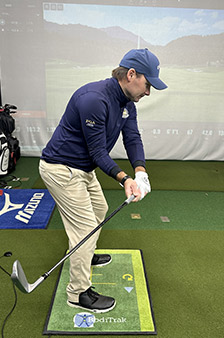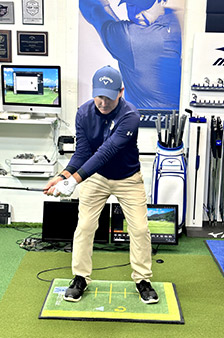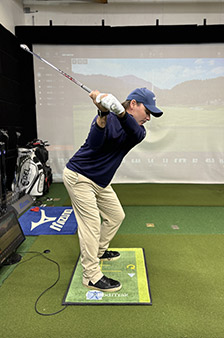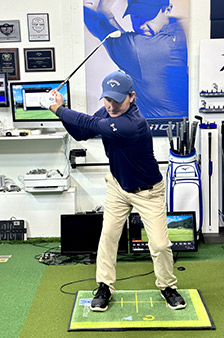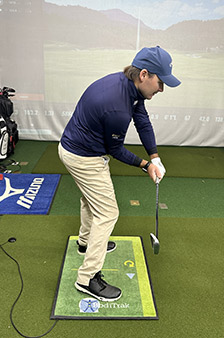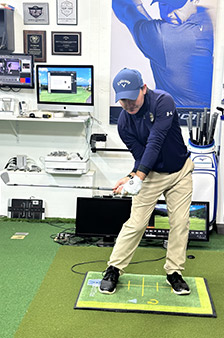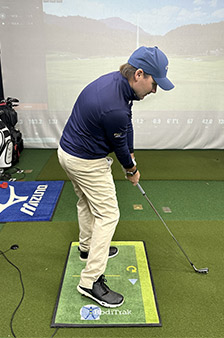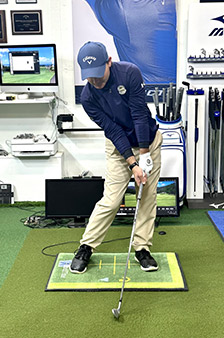

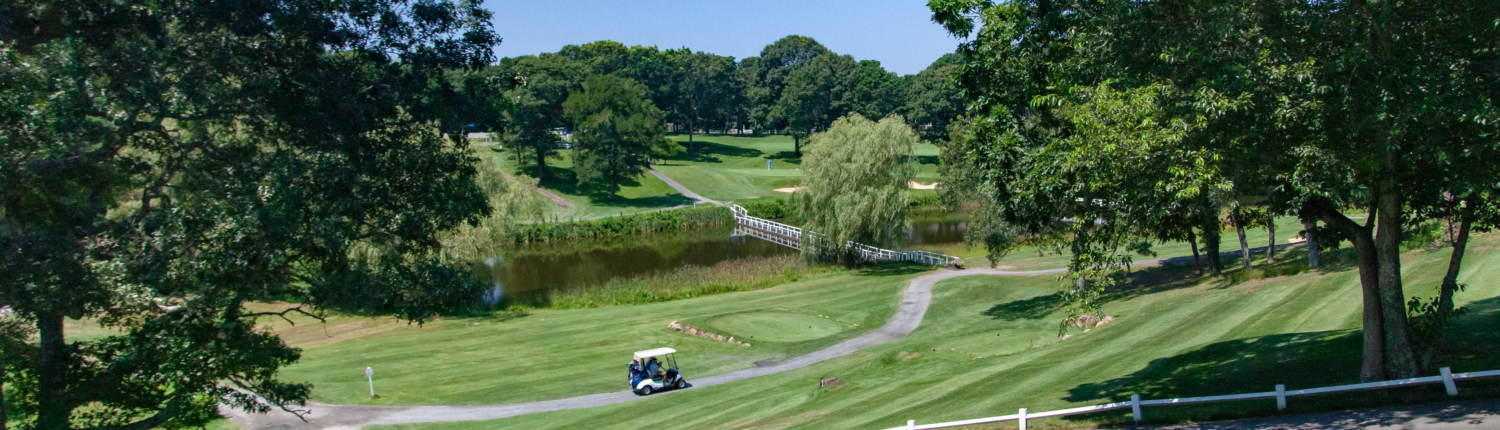
The Blue Rock Golf Academy features the latest in golf technology: all instructors are certified with Sportsbox AI, a 3D analysis software that can take your game to the next level. We also feature Trackman Launch Monitor and Smart2Move force plates to personalize your learning experience and make it easy to get the most out of your instruction.
Swing Code Library
Wingspan
Wing > Height = Glide
Wing = Height = Spin
Wing < Height = Launch
Forearm / Upper Arm
Forearm > Upper Arm = Glide
Forearm = Upper Arm = Spin
Forearm < Upper Arm = Launch
Pivot Post
Right / Trail = Glide
Center / Neutral = Spin
Left / Lead = Launch
Lower Body Differential
Fast > 45* = Glide
Mid = 45* = Spin
Slow < 45* = Launch
External Shoulder Rotation
Flexible = Glide
Neutral = Spin
Tight = Launch
Right Arm Action
Cover / Weak = Launch
Side Cover / Slightly weak = Spin + Launch
Side / Neutral = Spin
Side Under / Slightly Strong = Spin + Glide
Under / Strong = Glide
(Screening and concepts derived from Mike Adams and Terry Rowles’ UGL)
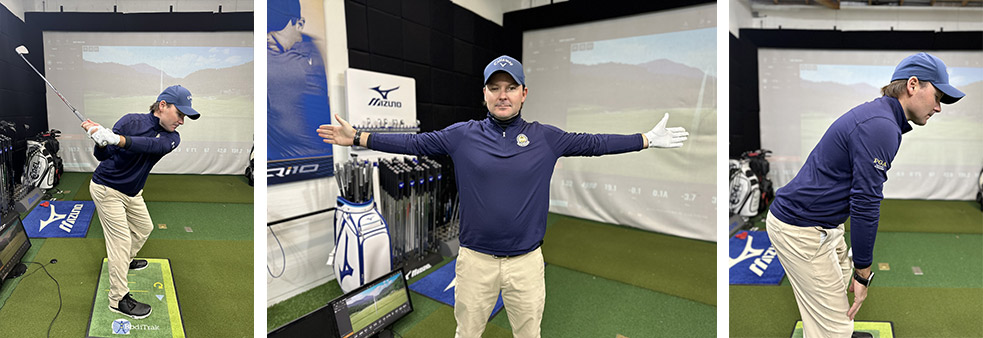
Wingspan
Side note: The wider the shoulders, the wider the takeaway. The narrower the shoulders, the narrower the takeaway. The thicker the chest, the earlier the turn, more inside and around. Forearms generally match the thighs at address.
Wing > Height = Glide
The greater the player’s wingspan compared to the player’s height, the more upright the swing plane. The club will climb towards the upper shoulder plane between the armpit or bottom of the sternum and the top of the player’s shoulders. The player’s posture will be more upright at the address position.
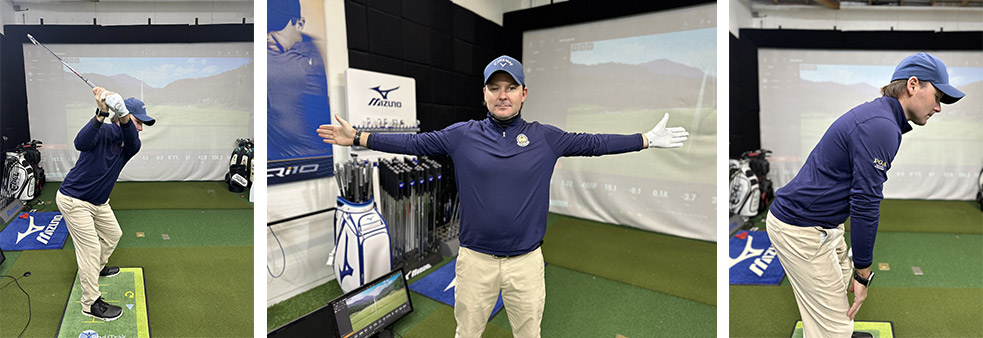
Wing = Height = Spin
Equal wingspan to height help guide the hands at the top of the swing to match the shoulder plane. The club will climb towards the mid torso or right arm or elbow plane between the bottom of the sternum and the player’s navel. The players posture will be more “neutral” at the address position.
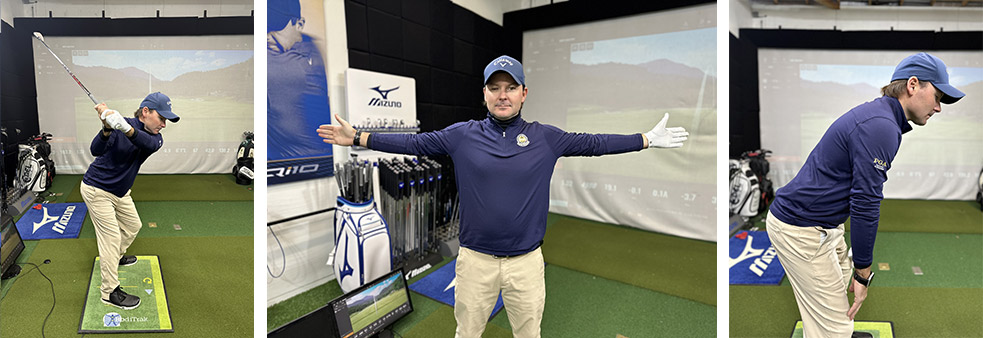
Wing < Height = Launch
The shorter the player’s wingspan compared to the player’s height, the flatter the swing plane. The club will climb towards the lower hip plane between the navel and the player’s hip sockets. The player’s posture will be lower at the address position.
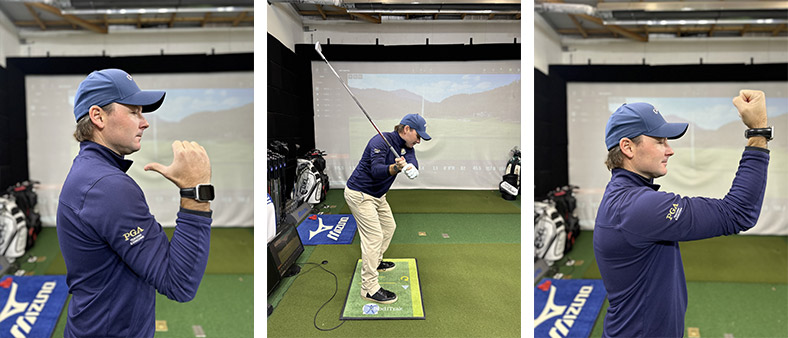
Forearm / Upper Arm
Forearm > Upper Arm = Glide
If the player’s forearm length is greater than the player’s upper arm length, this will promote horizontal forces for his or her primary swing engine. Their downswings will be higher or steeper closer to the shoulder plane.
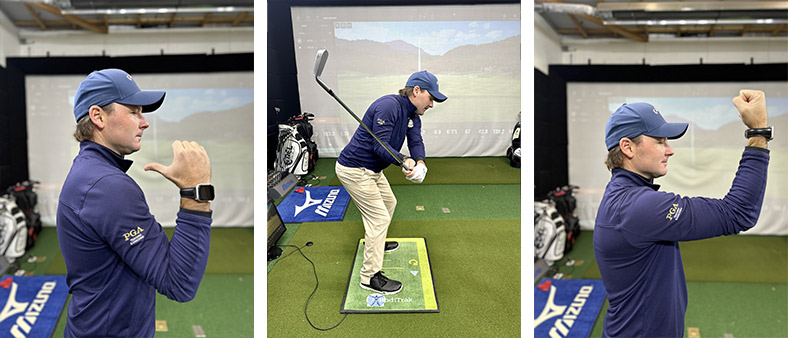
Forearm = Upper Arm = Spin
If the player’s forearm length matches the upper arm length this will promote rotational forces for his or her primary swing engine. Their downswings will be closer to the torso or right arm plane.
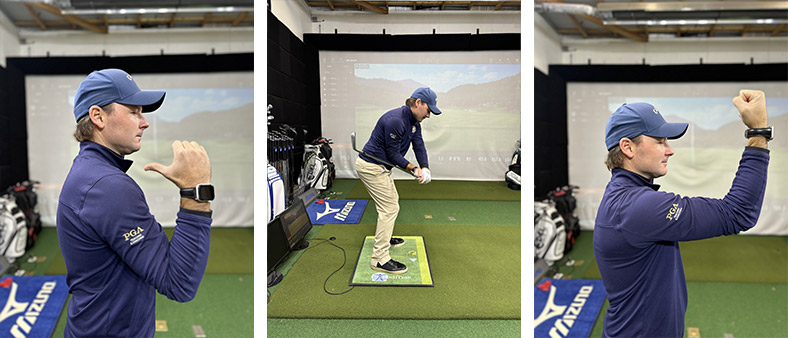
Forearm < Upper Arm = Launch
If the player’s forearm length is less than the individual’s upper arm length, this will promote vertical forces for his or her primary swing engine. Their downswings will be lower closer to the hip plane.
Pivot Post
Right / Trail = Glide
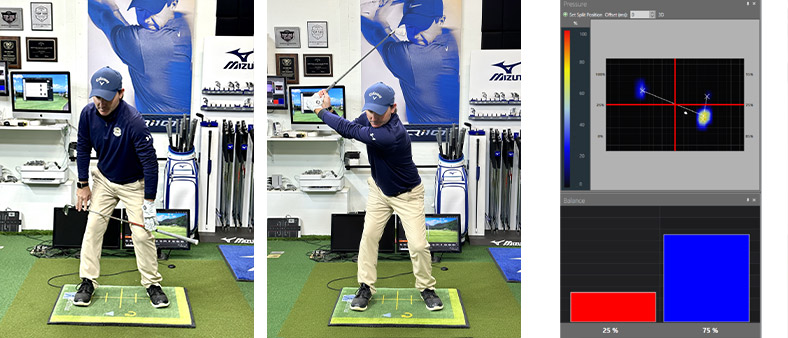
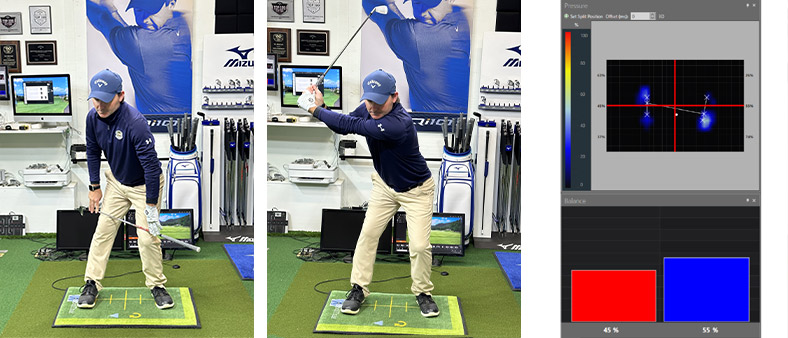
Rear posters load more of their weight on their trail side in their backswings. As the trail hip loads completely above the trail leg, this promotes more lateral movement in their swings which in turn promotes more horizontal forces as their primary swing engines.

Center / Neutral = Spin
Center or neutral posters load more weight than front posters on their trail side in their backswings, but not as extreme as rear posters. The hips tend to stay inside the feet line on the backswing, which promotes more rotational forces as their primary swing engines.
Left / Lead = Launch
Lead posters load fairly evenly in their backswings with their trail and lead legs. Typically no more than 65% of the player’s weight is distributed to their trail side in the backswing as their lead hip stays above the lead leg. This promotes more vertical forces as their primary swing engines.
Lower Body Differential
Fast > 45 degrees = Glide
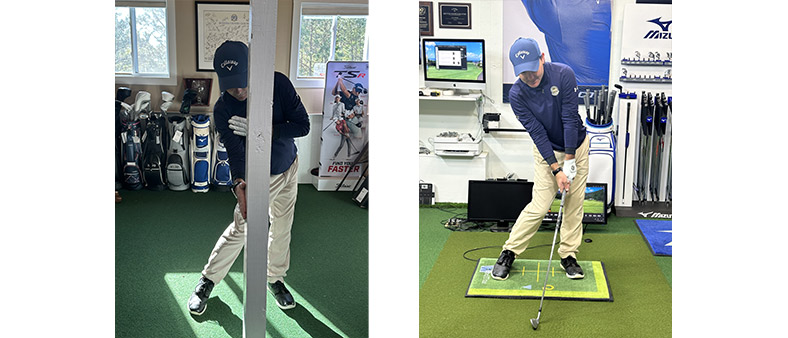
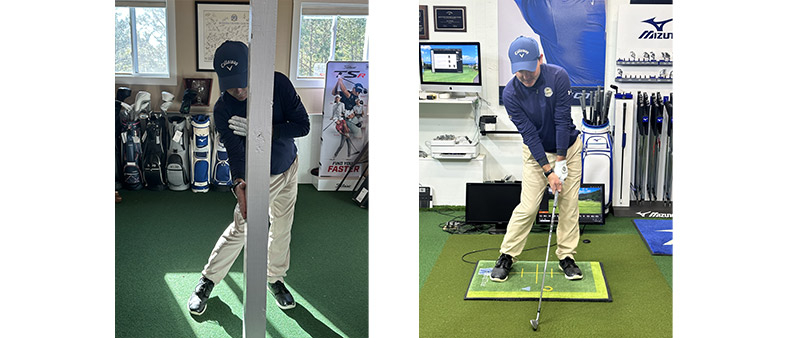
Players with the ability to disassociate their pelvis from their torso greater than 45 degrees from their body line will promote more side bend and horizontal forces as their primary swing engines.
Mid = 45 degrees = Spin
Players with the ability to disassociate their pelvis from their torso approximately equal to 45 degrees from their body line will promote a more moderate amount of side bend and rotational forces as their primary swing engines.
Slow < 45 degrees = Launch
Players with the ability to disassociate their pelvis from their torso less than 45 degrees from their body lines will promote less side bend and more vertical forces as their primary swing engines.
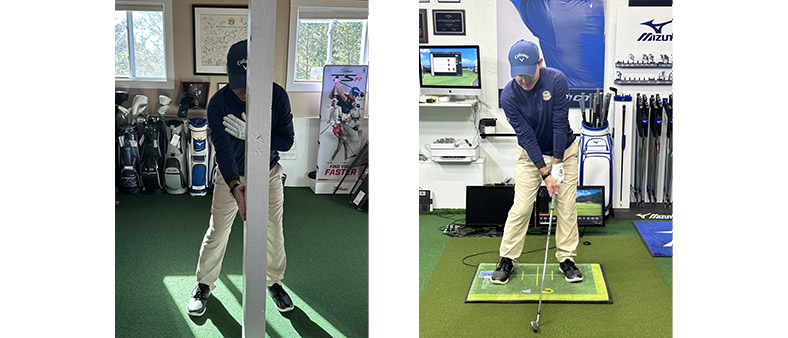
External Shoulder Rotation
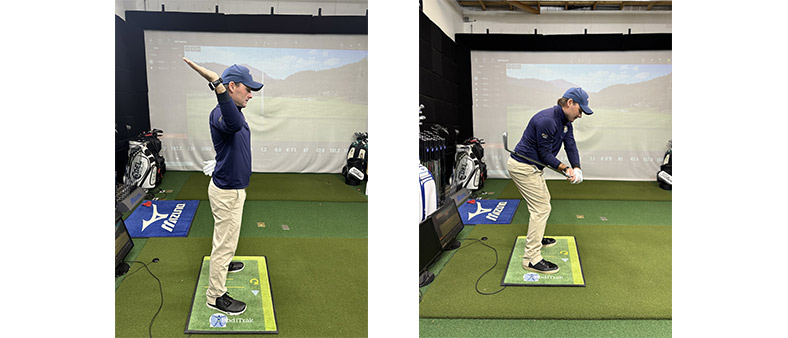
Flexible = Glide
If the player is quite flexible with his or her right external shoulder rotation, the club will drop in a shallower, flatter angle closer to the hip plane.
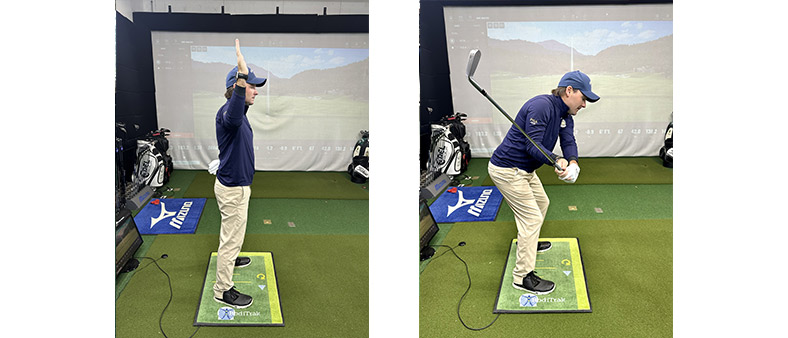
Neutral = Spin
If the player is fairly neutral with his or her right external shoulder rotation, the club will drop closer to the torso or right arm/elbow plane.
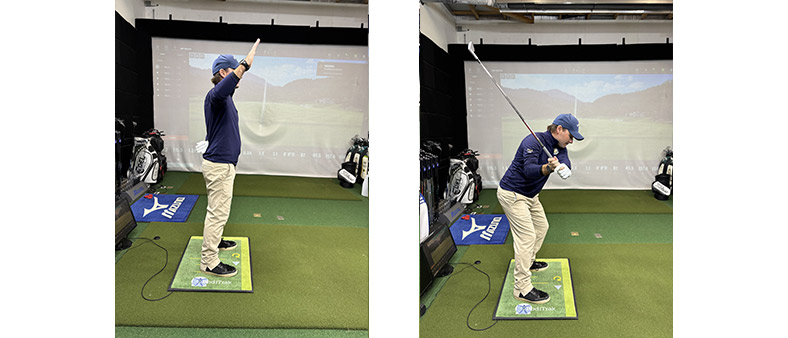
Tight = Launch
If the player is quite tight with his or her right external shoulder rotation, the club will drop in a steeper angle closer to the shoulder plane.
Right Arm Action
Cover / Weak = Launch
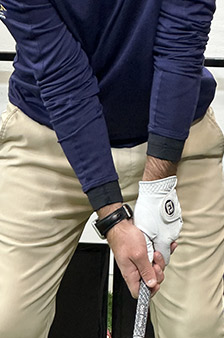
Players who test to have a covering-style right hand grip will tend to be steeper in their takeaways but will shallow out the club later in the backswing as their trail elbow, positioned in the address position to do so, retracts more behind their bodies. After the transition, the player will drop the club on more of a steeper angle closer to the shoulder plane. Their right elbow remains behind the trail hip before impact, promoting less side bend on the downswing.
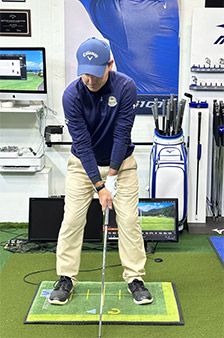
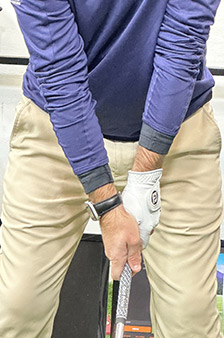
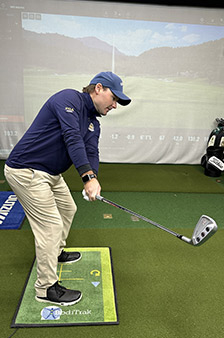
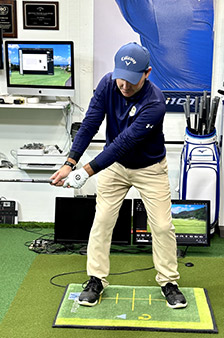
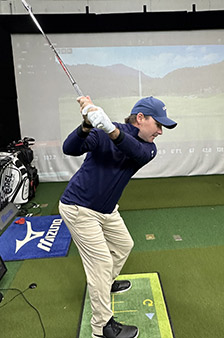
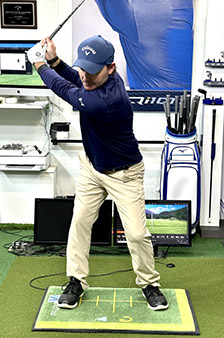
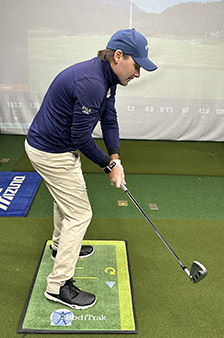
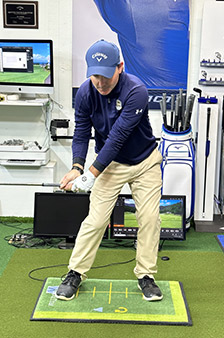
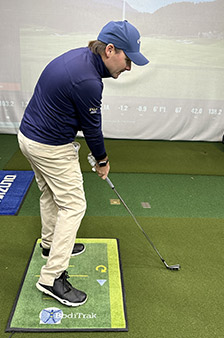
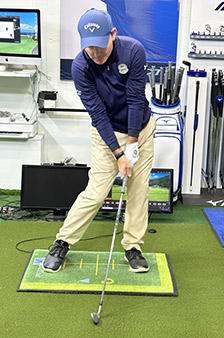
Side Cover Slightly Weaker = Spin / Launch
Players who test to have a covering style right hand grip tend to be steeper in their takeaways but will shallow out the club later in the backswing as their trail elbow, positioned in the address position to do so, retracts more behind their bodies. After the transition, the player will drop the club on more on a steeper angle closer to the shoulder plane as their right elbow remains behind the trail hip before impact, promoting less side bend on the down swing. All of this will happen with a bit more moderation compared to the full covering-style player.
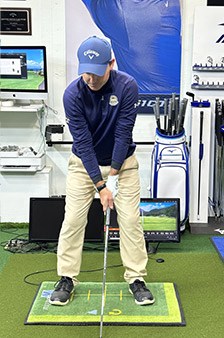
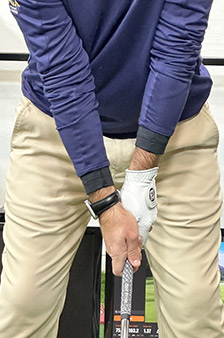
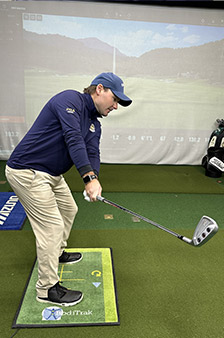
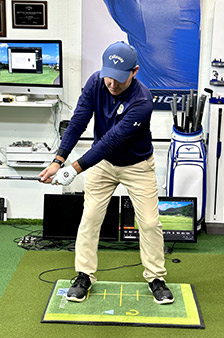
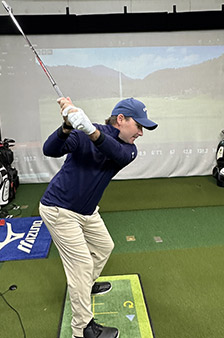
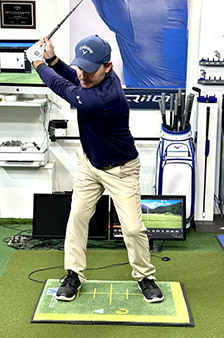
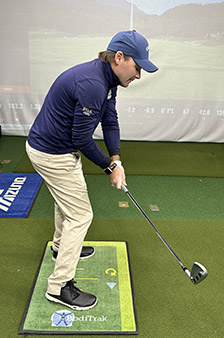
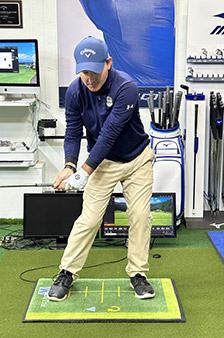
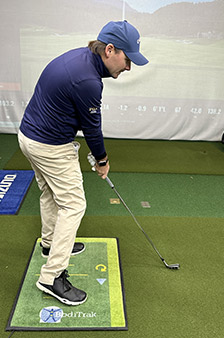
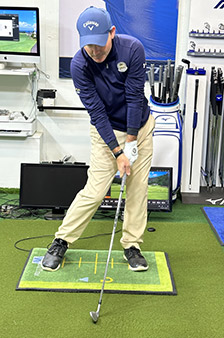
Side / Neutral = Spin
The player’s takeaway will be significantly more “one piece,” meaning their hands, arms, and shoulders will move together down the target line. The triangle formed by the arms at the top of the backswing will be fairly isosceles. Players will tend to drop the club more on the torso or right arm plane and, depending on their external rotation, their trail elbow will be more in front of their trail hip before impact; this promotes a moderate amount of side bend on the down swing. The player’s swing engine is motivated by rotational forces with this more “neutral” approach.
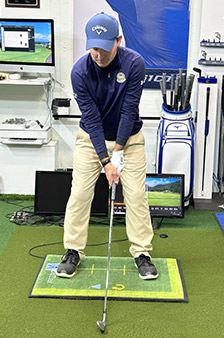
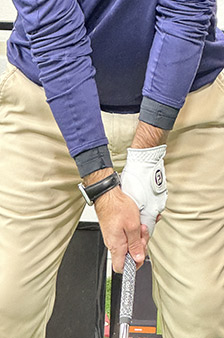
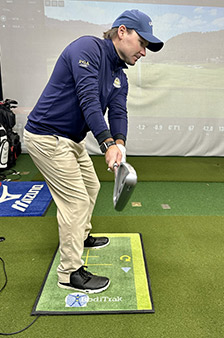
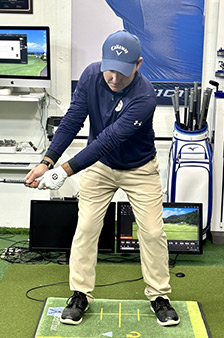
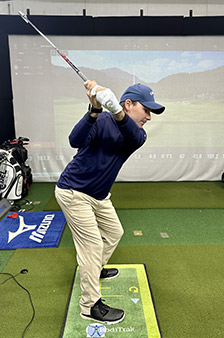
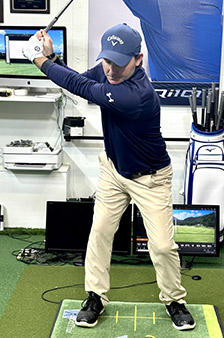
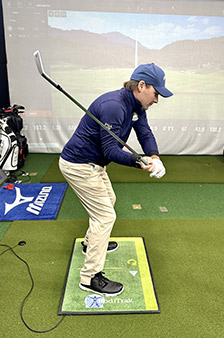
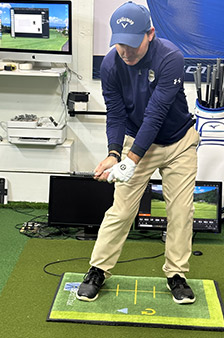
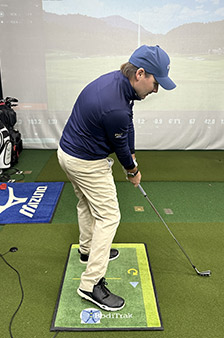
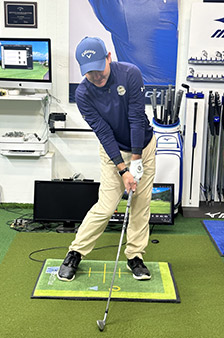
Side Under / Slightly Strong = Spin + Glide
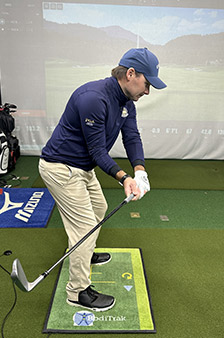
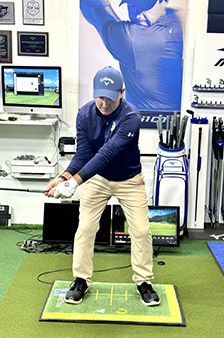
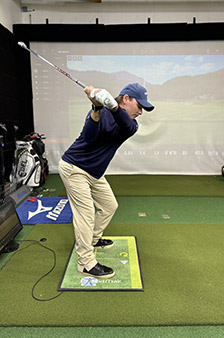
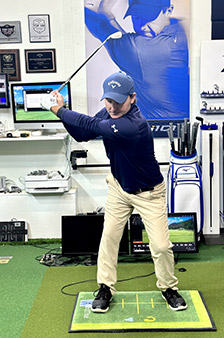
Players who test to have a side under style right hand grip will tend to have a flatter and more open takeaway. At the top of their swings the right elbow, positioned to do so in the address position, will settle in a more downward position as the trail hand stays under the grip of the club. Post transition, the player will drop the club in a more under, shallower, or flatter angle closer to the hip plane. The trail elbow will slide ahead of the trail hip before impact (depending on the player’s external rotation) promoting more side bend on the down swing. All of this will happen with a bit more moderation compared to the full under-style player.
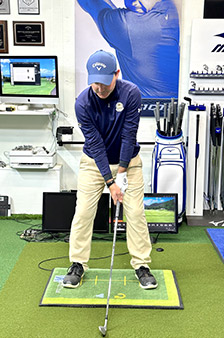
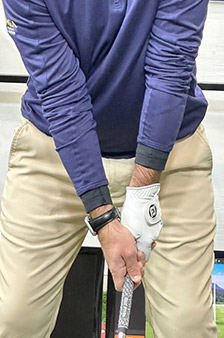
Under / Strong = Glide
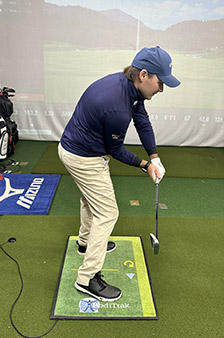
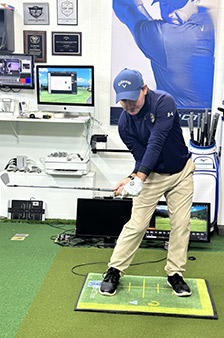
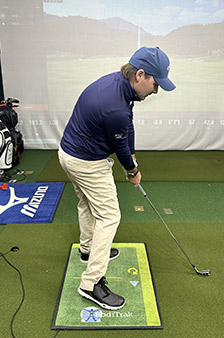
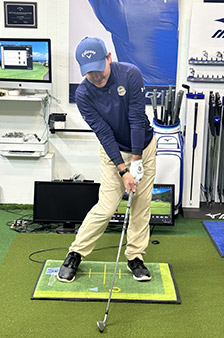
Players who test to have a side under style right hand grip will tend to have a flatter more open takeaway. At the top of their swings the right elbow, positioned to do so in the address position, will settle in a more downward position as the trail hand stays under the grip of the club. Post transition, the player will drop the club in a more under, shallower, or flatter angle closer to the hip plane. The trail elbow will slide ahead of the trail hip before impact (depending on the player’s external rotation) promoting more side bend on the down swing.